



The global macroeconomic outlook has deteriorated significantly after the Organisation for Economic Co-operation and Development (OECD) officially downgraded its 2026 global GDP growth projection from 3.4 percent down to 2.8 percent. In its newly published flagship report, titled “Under Pressure,” the Paris-based institution warned that the escalating military conflict in the Persian Gulf region has introduced a powerful, disruptive stagflationary impulse across worldwide supply chains. The extensive economic damage is primarily driven by a sharp 13.5 percent contraction in global oil supplies alongside a massive 15 percent drop in regional liquefied natural gas (LNG) exports, causing global energy costs to surge dramatically. Compounding these raw material shortages are severe bottlenecks at crucial international shipping chokepoints like the Strait of Hormuz, which have driven trade insurance premiums to record highs and triggered logistical backlogs for manufacturing inputs worldwide. Consequently, the OECD now expects average G20 inflation to climb to 4.0 percent this year, up from 3.4 percent in 2025, heavily eroding consumer purchasing power and forcing central banks to rethink their monetary policies. Financial markets responded to the report with immediate volatility, as bond yields in advanced economies continued their multi-decade grind higher, reflecting growing investor anxiety that interest rates will remain restrictive for much longer than originally anticipated. In the United States, despite a surprisingly strong May labor report showing the addition of 172,000 jobs, persistent inflationary pressures on groceries and electricity have severely lowered domestic economic sentiment and placed the Federal Reserve on a potential path toward a rate hike this December. Conversely, the report highlighted a few structural bright spots, noting that massive corporate investments in artificial intelligence infrastructure and digital technologies have helped insulate portions of the services sector from broader industrial declines. Furthermore, India continues to stand out as a highly resilient engine of economic growth, with the OECD projecting the nation to expand by a robust 6.3 percent in the 2026 fiscal year due to strong internal demand and technology-led trade. Nevertheless, the international body concluded its report with a stark warning, noting that if the energy infrastructure disruptions persist unmitigated into late 2027, global growth could collapse further to 2.1 percent, potentially pushing multiple highly indebted vulnerable nations into full-scale recessions.
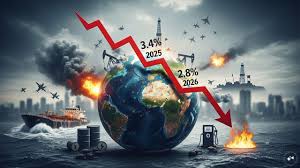
Global Growth Forecasts Slashed to 2.8% as OECD Warns of Persistent Stagflationary Pressures From Gulf Conflict
You May Also Like



More From Author



Regulatory Shockwaves as SEC Launches Investigation Into Ethereum Layer-2 Networks Over Staking Yields